Este artículo solo está disponible en inglés por el momento.
Building Secure Healthcare Software: Protecting Patient Data Under PDPA, GDPR and HIPAA
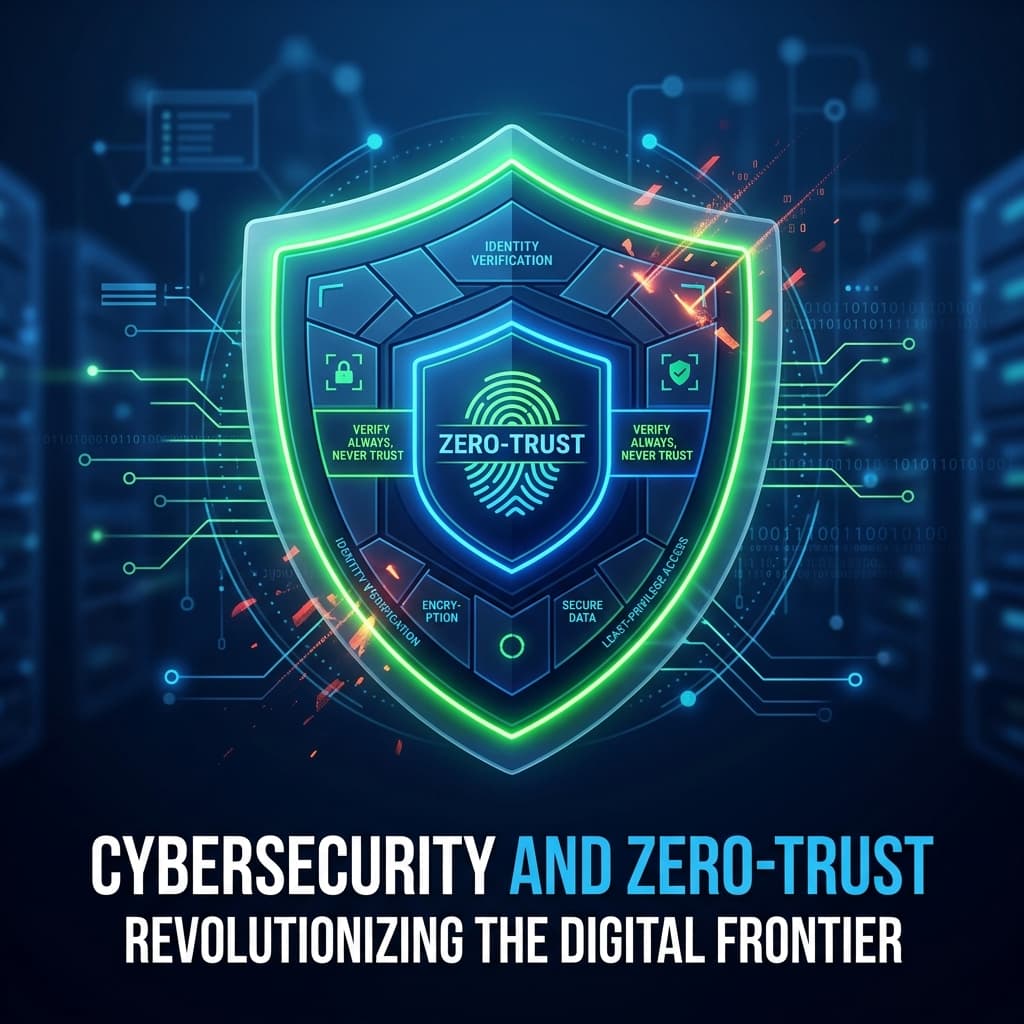
Health records are valuable to attackers and deeply personal to patients. A leak can expose diagnoses, medicines and family history that cannot be changed like a password. That is why healthcare software has to treat security as a core feature, not a final checklist before launch.
This article covers the controls we consider essential and how the main data protection laws influence them. It is a technical guide, not legal advice; always confirm your obligations with a qualified adviser.
The rules that usually apply
- Sri Lanka's Personal Data Protection Act, No. 9 of 2022 (PDPA) treats health data as a special category of personal data and sets duties around lawful processing, purpose limitation, data subject rights, security and cross-border transfers.
- GDPR applies when you process data of people in the EU, and also treats health data as a special category requiring an explicit legal basis and stronger safeguards.
- HIPAA applies to US covered entities and their business associates. If you build software that handles protected health information for a US client, expect to sign a business associate agreement and meet its Security Rule safeguards.
The details differ, but the engineering response is broadly the same: know what data you hold, limit who can see it, record every access, protect it everywhere it lives and be ready when something goes wrong.
1. Access control that matches clinical roles
- Role-based access for doctors, nurses, lab staff, cashiers and administrators, with the minimum each role needs.
- Context rules, for example a doctor can see patients under their care or in their department, not the whole hospital.
- Break-glass access for emergencies, which works immediately but is flagged and reviewed afterwards.
- Multi-factor authentication for remote and administrative access, and single sign-on to reduce shared passwords on ward computers.
- Automatic session timeouts on shared workstations.
2. Audit trails for every read and write
It is not enough to log changes. Healthcare systems should log who viewed a record, when, from where and through which screen or API. Store audit logs so they cannot be edited by the people they record, keep them for the required period, and build simple reports so a privacy officer can answer "who looked at this patient?" in minutes.
3. Encryption and key management
- TLS for all traffic, including internal service-to-service calls.
- Encryption at rest for databases, file storage and backups.
- Field-level encryption for especially sensitive items such as national ID numbers or mental health notes.
- Keys held in a managed key vault, rotated on a schedule, never in source code or config files.
- On mobile, store as little as possible on the device, use the platform keystore, and clear cached data on logout.
4. Privacy by design
- Data minimisation. Collect only what the workflow needs.
- Consent management. Record what the patient agreed to, when, and allow withdrawal.
- Pseudonymisation for analytics, research and AI training, so reports do not need names or IDs.
- Non-production data. Test and staging environments should never contain real patient records.
- Data location. Know which country each copy of the data sits in, including backups and third-party services.
5. A secure delivery process
Many breaches come from the delivery pipeline rather than the application. Use code review, dependency and container scanning, secrets scanning and infrastructure as code. Run penetration tests before major releases and after significant changes. Keep an inventory of third-party services that touch patient data and the agreements in place with each.
6. Be ready for incidents
- Monitoring and alerting for unusual access patterns, such as one account opening hundreds of records.
- Tested backups and a documented recovery time, including ransomware scenarios.
- A written incident response plan that covers who decides, who notifies regulators and patients, and within what time limits.
How Mickiesoft can help
At Mickiesoft we build these controls into the architecture from the first sprint, whether the product is a clinic system, a patient app or a connected device platform. Learn more about our healthcare app development services, or read our related guide on privacy-first software architecture.
Handling patient data in your product?
Mickiesoft builds healthcare software with security and privacy designed in from the first sprint.
Discuss Your ProjectPreguntas frecuentes
Encuentre respuestas a las preguntas más habituales sobre nuestros servicios, nuestro proceso y nuestras capacidades.