Questo articolo è al momento disponibile solo in inglese.
ERP Systems for Small and Medium Enterprises (SMEs): Is It Worth the Investment?
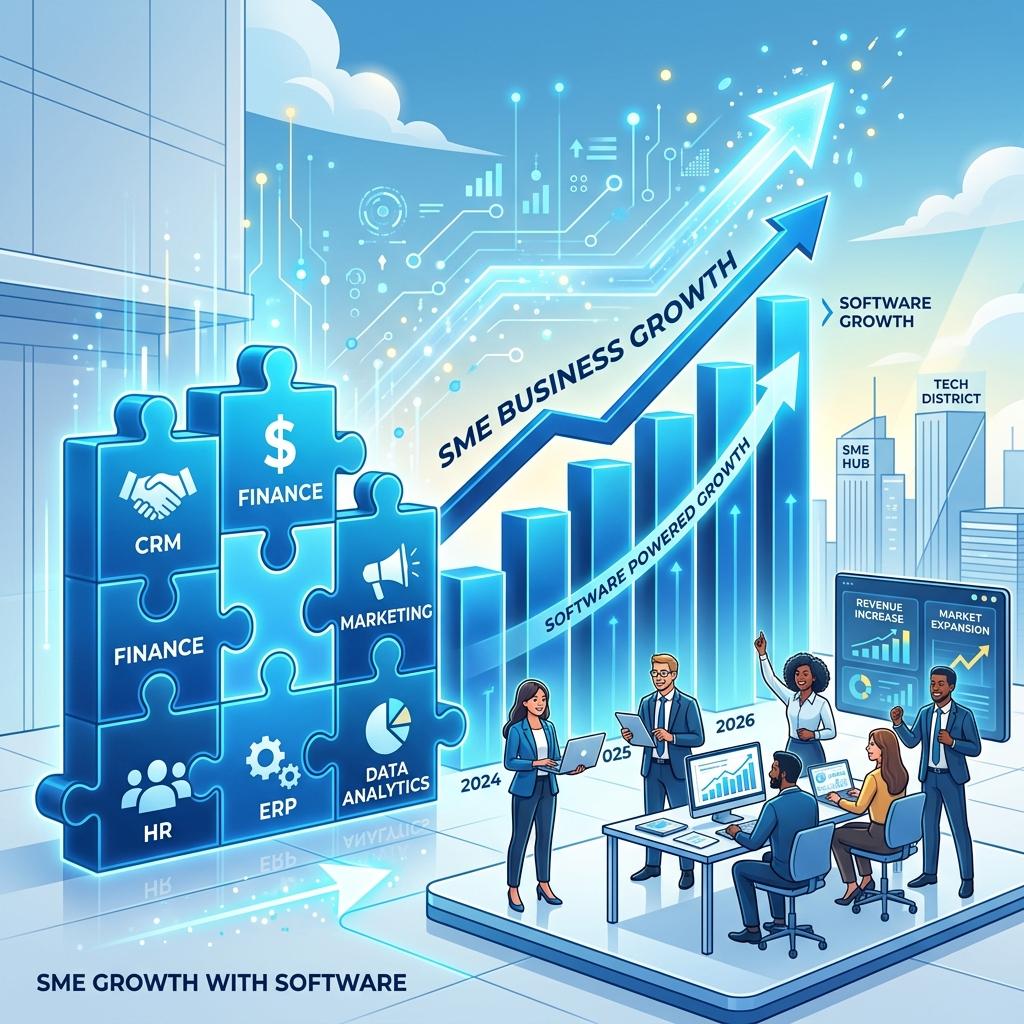
Breaking the Enterprise Myth
There is a common misconception that Enterprise Resource Planning (ERP) systems are exclusive to Fortune 500 companies with massive budgets. However, in today's competitive landscape, Small and Medium Enterprises (SMEs) face the same operational complexities—just on a different scale.
The Chaos of Spreadsheets
Many SMEs operate using a patchwork of standalone software and Excel spreadsheets. This leads to duplicate data entry, lost information, and a lack of clear visibility into the business's overall health. When growth accelerates, this fragile system collapses.
Why the Investment Pays Off
1. Scalability from Day One
A custom ERP built for your SME grows alongside you. Instead of migrating systems every few years as you expand, a modular custom ERP allows you to add features (like an advanced CRM or supply chain module) only when you need them.
2. Increased Valuation
If you plan to secure funding or eventually sell the business, having streamlined, auditable, and automated processes managed by an ERP significantly increases your company's valuation and attractiveness to investors.
3. Cost Reduction
While the initial investment in a custom ERP development might seem daunting, the long-term ROI is massive. Automation reduces the need for heavy administrative hiring, prevents costly inventory errors, and optimizes resource allocation.
Conclusion
An ERP system is not just a software expense; it's a strategic asset. Contact the ERP development experts at Mickiesoft to discover how we can design an affordable, high-impact system for your SME.
Ready to accelerate your project?
Contact Mickiesoft today for a free technical consultation.
Contact UsDomande frequenti
Trova le risposte alle domande più comuni sui nostri servizi, sul nostro metodo di lavoro e sulle nostre competenze.