Questo articolo è al momento disponibile solo in inglese.
The Role of Modern UI/UX Design in Driving Higher Conversion Rates
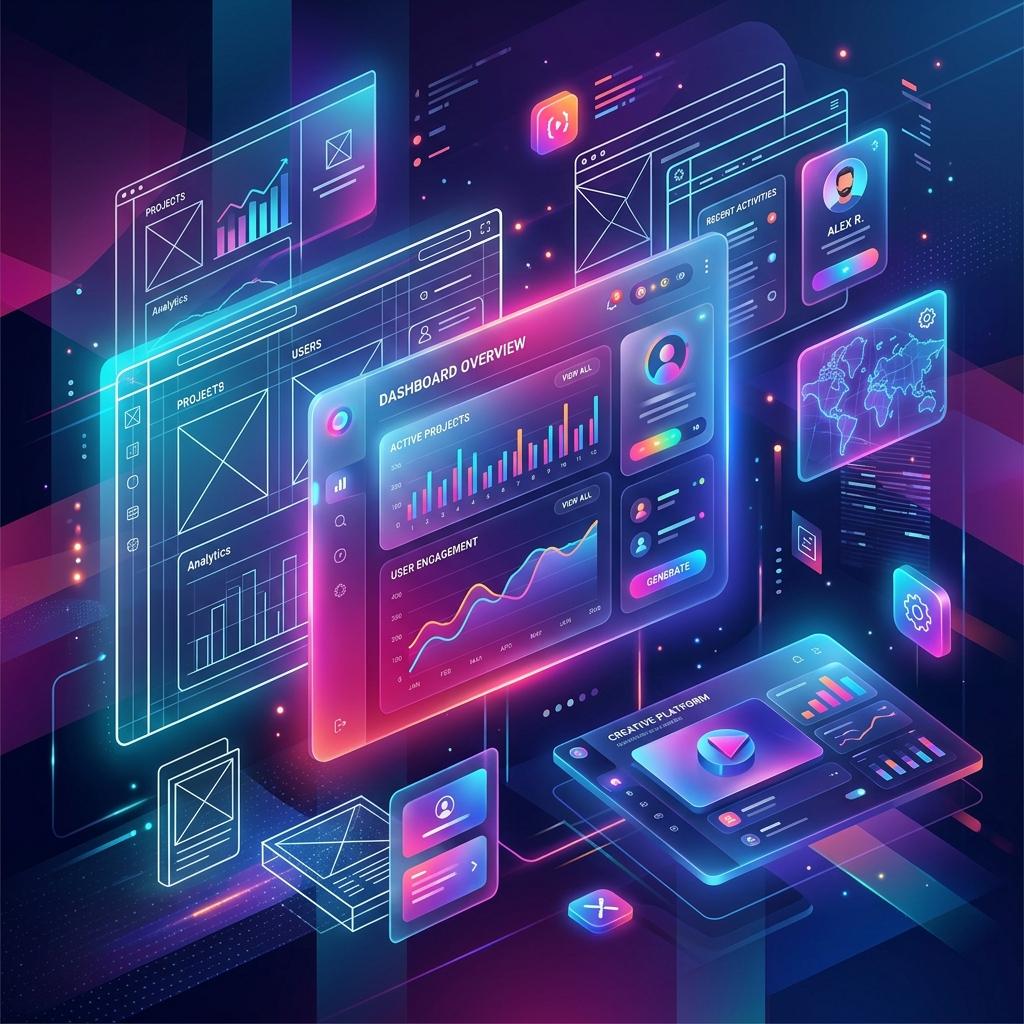
Design is a Business Strategy
In today's hyper-competitive digital market, users judge the credibility of your business within milliseconds of loading your app or website. Modern UI (User Interface) and UX (User Experience) design are no longer just about making things look "pretty"—they are direct drivers of conversion rates and customer retention.
Minimizing Friction
The primary goal of excellent UX design is to reduce cognitive load and friction. Every extra click, confusing navigation menu, or slow animation gives a potential customer a reason to abandon their cart or close the tab. Streamlining user flows ensures a seamless journey from the landing page to the checkout screen.
Trust and Credibility
Aesthetically pleasing, modern interfaces build instant trust. Elements such as consistent typography, strategic use of whitespace, and accessible color palettes signal professionalism and security. Users are far more likely to enter payment information into an application that feels premium and well-crafted.
Mobile-First Design
With the majority of web traffic originating from smartphones, responsive and mobile-first design is non-negotiable. Buttons must be easily clickable with a thumb, text must be readable without zooming, and loading times must be optimized for cellular networks.
The Mickiesoft Approach
At Mickiesoft, our design team bridges the gap between art and psychology. We conduct user research and wireframing to ensure that every digital product we build not only looks stunning but is mathematically optimized to convert visitors into customers.
Ready to accelerate your project?
Contact Mickiesoft today for a free technical consultation.
Contact UsDomande frequenti
Trova le risposte alle domande più comuni sui nostri servizi, sul nostro metodo di lavoro e sulle nostre competenze.