
Software Development Company Sri Lanka: Why Global Businesses Choose Mickiesoft
Looking for a software development company in Sri Lanka? Learn why global businesses hire Mickiesoft for web, mobile, and enterprise solutions.

Guides on software development, hiring developers in Sri Lanka, offshore outsourcing, and the latest technologies for global businesses.

Looking to build a cross-platform app? Learn why hiring a Flutter developer from Sri Lanka is the most cost-effective way to scale your mobile team.

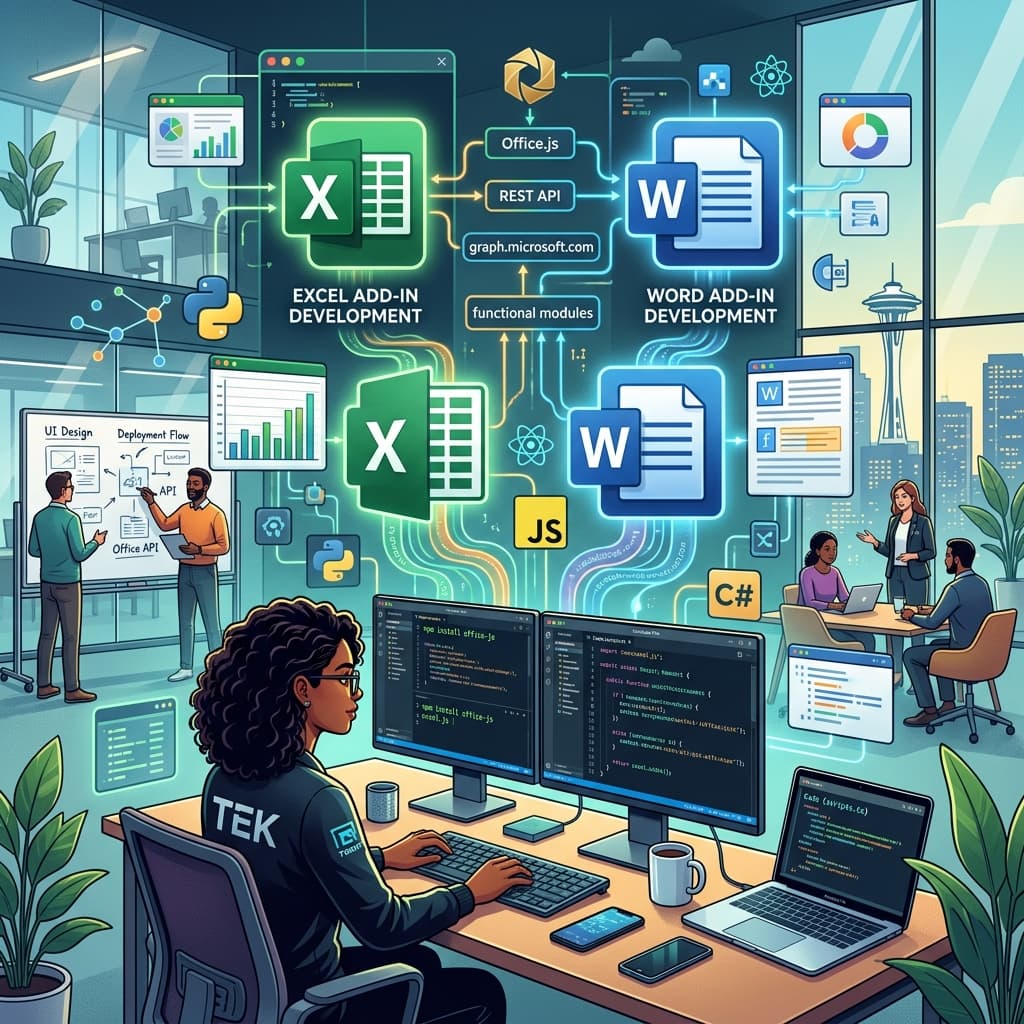
Discover how partnering with a specialized Microsoft Office add-in development company can automate your workflows and supercharge productivity in Excel and Word.

Scale your enterprise backend by hiring a dedicated .NET developer offshore. Get expert C# and ASP.NET Core talent seamlessly integrated into your team.

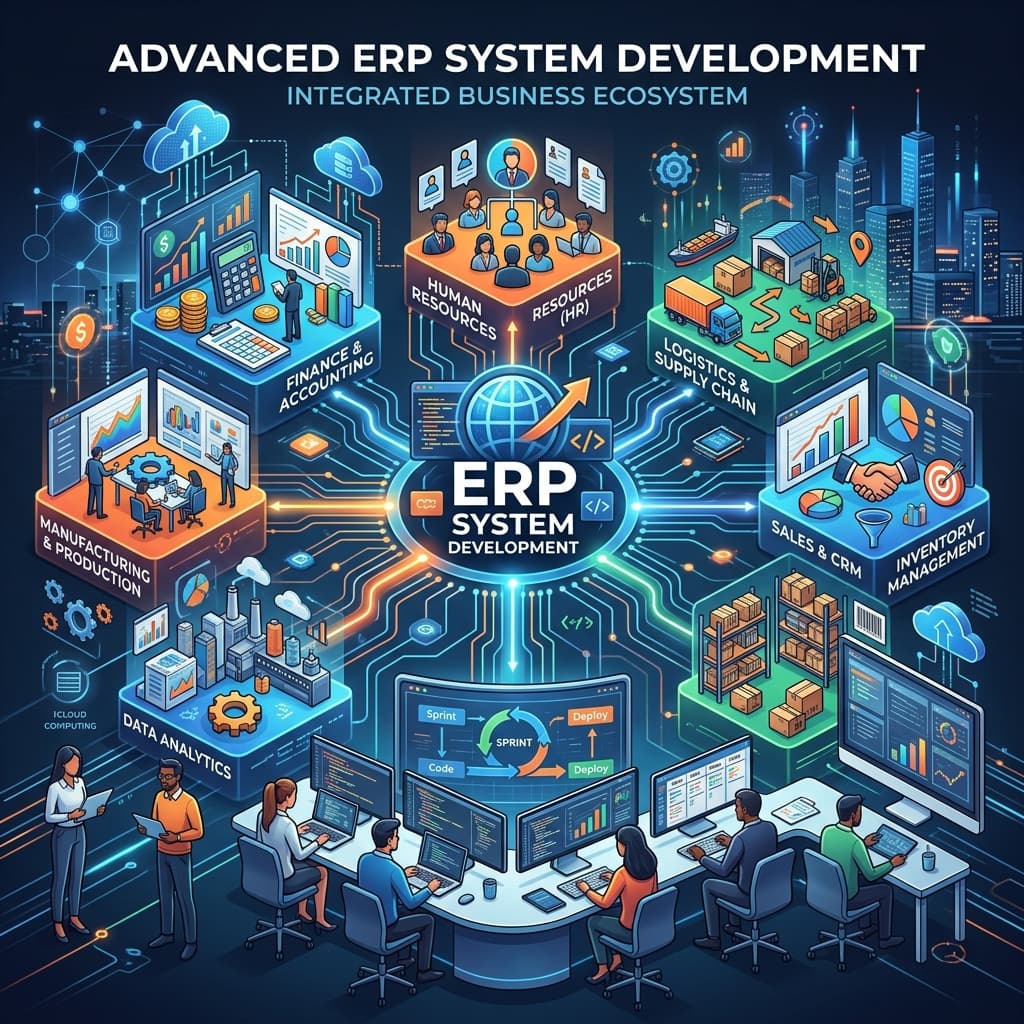
Streamline your business operations with a leading ERP development company in Sri Lanka. We build custom ERP systems for finance, HR, and logistics.

How US and UK companies benefit from software outsourcing to Sri Lanka — time zone coverage, cost savings, compliance, and real case patterns.

Learn how a dedicated development team in Sri Lanka works — team structure, management, pricing, and when it beats staff augmentation.

Why outsource software development to Sri Lanka? Discover the advantages, risks, and best practices for a successful outsourcing partnership.

Everything you need to know about offshore software development from Sri Lanka — benefits, time zones, costs, and how to get started.

A practical guide to hire developers in Sri Lanka — engagement models, vetting tips, costs, and how to build a productive remote team.

Improve your Next.js app performance with these proven techniques.

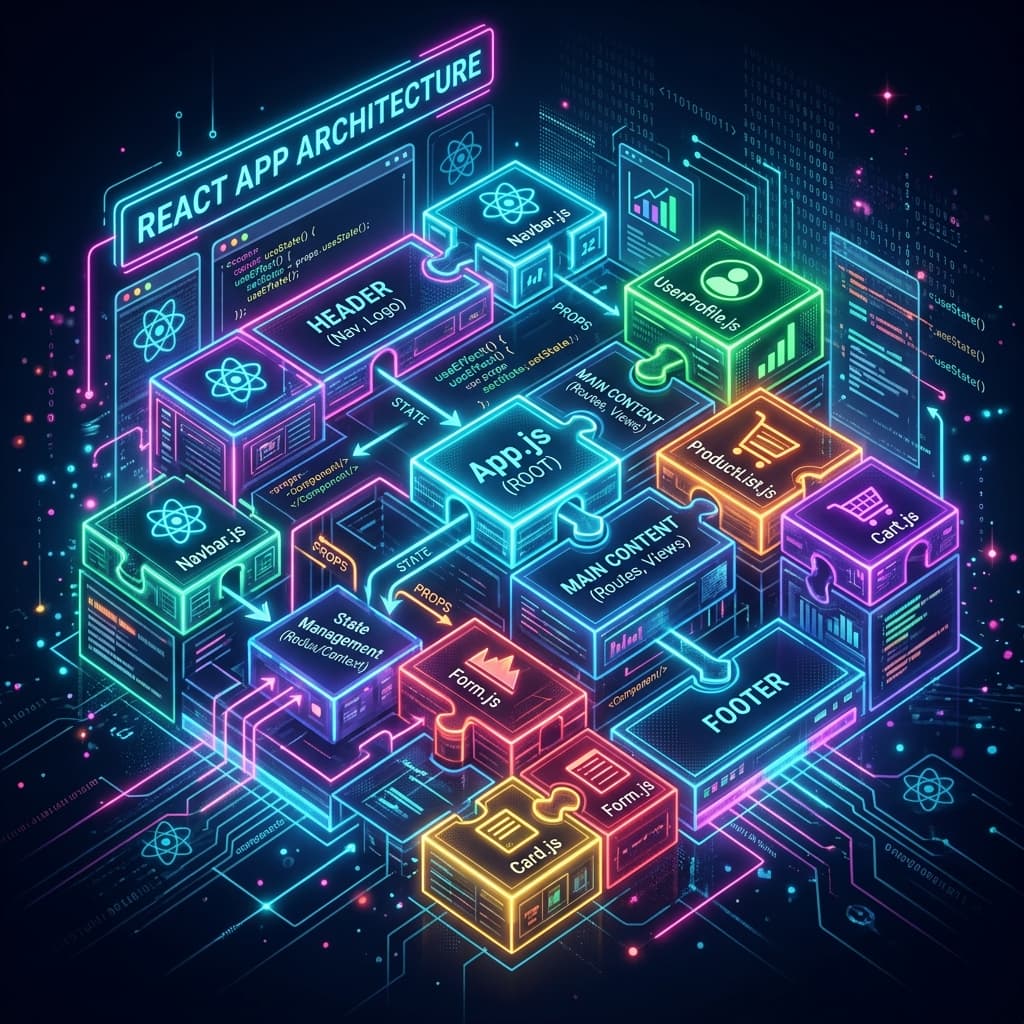
Take your React skills to the next level with these advanced patterns.

Best practices for building secure, scalable, and cost-effective applications on AWS.

Streamline your delivery pipeline and improve deployment reliability.

Build beautiful and performant apps for iOS and Android with Flutter.

Learn how zero-trust security models protect modern web applications from emerging cyber threats and why you should adopt it.

A deep dive into how blockchain technology and decentralized networks are transforming enterprise solutions.

Discover the benefits of GraphQL and a step-by-step guide on migrating your existing REST APIs.

How cognitive psychology principles can help you design more intuitive and delightful user interfaces.

Best practices and common pitfalls when breaking down a monolithic application into microservices.

Automate your testing workflows and catch regressions early with comprehensive Cypress test suites.

A practical guide to adding Large Language Models and AI capabilities into your existing software.

Why Zustand is becoming the preferred state management library for modern React applications.

Exploring the performance, safety, and productivity benefits of rewriting core services in Rust.

A practical guide to retrieval-augmented generation: chunking, embeddings, and evaluation in real systems.

A practical guide to LLM fine-tuning: when to fine-tune versus prompt or RAG.

A practical guide to multi-modal models: image understanding, document AI, and visual search.

A practical guide to prompt engineering: structured prompts, evals, and guardrails.

A practical guide to AI code review: accuracy, security scanning, and team workflows.

A practical guide to Claude API: tool calling, streaming, and cost control.

A practical guide to GPT-4o integration: structured outputs, function calling, and caching.

A practical guide to local LLMs: on-prem inference, privacy, and hardware sizing.

A practical guide to vector databases: indexing strategies, hybrid search, and ops trade-offs.

A practical guide to Next.js 15: routing, caching, and partial prerendering.

A practical guide to React Server Components: server/client boundaries and data fetching.

A practical guide to React 19: form actions, optimistic UI, and transitions.

A practical guide to Turbopack: build performance and migration planning.

A practical guide to TanStack Query: cache keys, suspense, and invalidation.

A practical guide to TypeScript 5.5: inferred types, decorators, and strictness.

A practical guide to Bun: HTTP server performance and package compatibility.

A practical guide to Deno 2: npm compatibility, security defaults, and deploy.

A practical guide to Svelte 5: reactivity model and component architecture.

A practical guide to Astro: partial hydration and performance budgets.

A practical guide to platform engineering: golden paths, self-service, and developer productivity.

A practical guide to Kubernetes migration: service mapping, config, and rollout strategy.

A practical guide to Lambda SnapStart: JVM startup optimization and cost impact.

A practical guide to serverless containers: scaling models, networking, and pricing.

A practical guide to edge computing: global latency, KV storage, and Durable Objects.

A practical guide to Pulumi: TypeScript IaC, state, and team workflows.

A practical guide to Terraform: remote state, workspaces, and module design.

A practical guide to OpenTelemetry: traces, metrics, logs, and vendor-neutral pipelines.

A practical guide to eBPF: kernel-level visibility without instrumentation overhead.

A practical guide to passkeys: phishing-resistant auth and cross-device flows.

A practical guide to OAuth 2.1: PKCE, token rotation, and session hardening.

A practical guide to API rate limiting: token buckets, abuse detection, and edge policies.

A practical guide to supply chain security: SBOMs, provenance, and dependency pinning.

A practical guide to secrets management: dynamic credentials and rotation policies.

A practical guide to container scanning: CVE triage, policy gates, and base image hygiene.

A practical guide to SOC 2: control mapping, evidence collection, and automation.

A practical guide to privacy engineering: data minimization, consent, and retention.

A practical guide to API pentesting: auth bypass, injection, and business logic flaws.

A practical guide to DDoS mitigation: WAF rules, CDN shielding, and autoscaling.

A practical guide to CQRS: read/write separation and event stores.

A practical guide to API gateways: routing, auth termination, and rate policies.

A practical guide to gRPC: serialization, streaming, and service mesh fit.

A practical guide to database sharding: shard keys, rebalancing, and query routing.

A practical guide to PostgreSQL 16: logical replication, performance, and JSON improvements.

A practical guide to Redis caching: cache-aside, TTL strategy, and stampede prevention.

A practical guide to MongoDB vector search: hybrid queries and operational considerations.

A practical guide to GraphQL federation: subgraphs, schema composition, and governance.

A practical guide to WebSockets: connection management, backpressure, and fallbacks.

A practical guide to React Native: Fabric, TurboModules, and migration steps.

A practical guide to Flutter enterprise: state management, testing, and release pipelines.

A practical guide to SwiftUI: shared UI layers across iOS and macOS.

A practical guide to Kotlin Multiplatform: shared business logic and platform-specific UI.

A practical guide to PWAs: installability, offline sync, and push APIs.

A practical guide to mobile performance: startup time, memory, and frame rates.

A practical guide to ASO: metadata, screenshots, and conversion testing.

A practical guide to push notifications: token lifecycle, segmentation, and delivery metrics.

A practical guide to offline-first apps: sync engines, conflict resolution, and local storage.

A practical guide to mobile CI/CD: signing, test flights, and store releases.

A practical guide to design systems: component APIs, documentation, and adoption.

A practical guide to design handoff: tokens, variants, and automated exports.

A practical guide to accessibility: focus management, contrast, and keyboard flows.

A practical guide to dark mode: theme tokens, SSR considerations, and user preference.

A practical guide to micro-interactions: motion budgets, feedback loops, and performance.

A practical guide to container queries: component-responsive layouts without media queries.

A practical guide to Framer Motion: layout animations, gestures, and reduced motion.

A practical guide to foldable UI: dual-screen layouts and continuity APIs.

A practical guide to UX writing: error messages, onboarding copy, and docs UX.

A practical guide to E2E testing: parallelization, debugging, and CI integration.

A practical guide to contract testing: consumer-driven contracts and broker workflows.

A practical guide to chaos engineering: failure injection, blast radius, and game days.

A practical guide to load testing: scenario design, thresholds, and capacity planning.

A practical guide to feature flags: rollouts, targeting, and kill switches.

A practical guide to blue-green deployment: traffic switching, database compatibility, and rollback.

A practical guide to canary releases: progressive delivery and metric-based promotion.

A practical guide to Turborepo: task pipelines, caching, and dependency graphs.

A practical guide to Nx monorepos: affected builds, generators, and module boundaries.

A practical guide to trunk-based development: short-lived branches, CI discipline, and release trains.

A practical guide to quantum computing: qubits, algorithms, and practical near-term use cases.

A practical guide to edge AI: low-latency inference and distributed model serving.

A practical guide to green software: energy-aware architecture and carbon-aware scheduling.
Get the latest insights on software development and tech trends delivered to your inbox.